-
The Token Ledger for AI Coding Tools
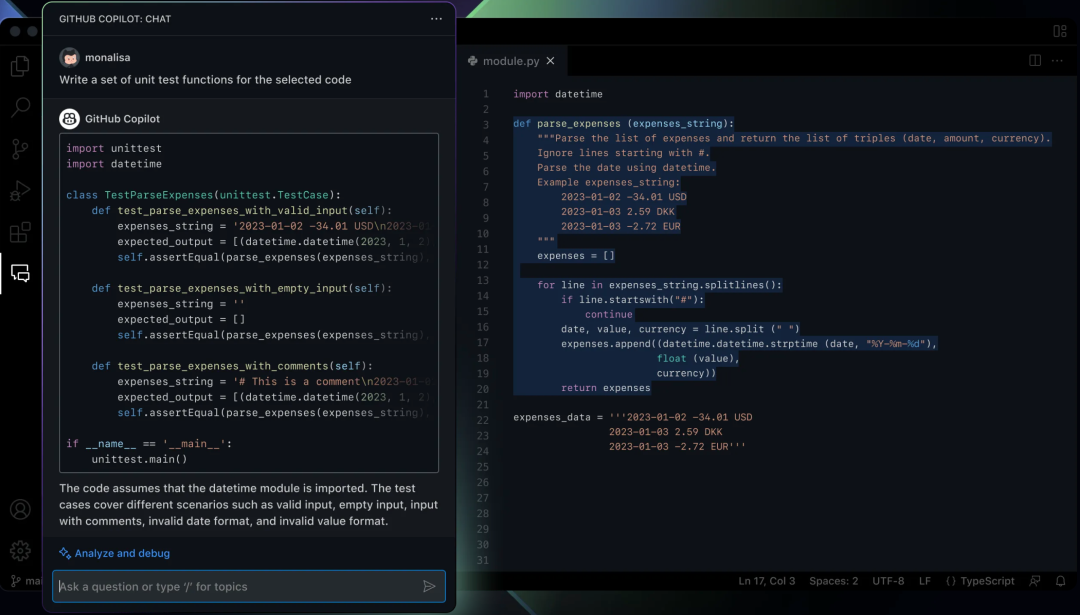
Cursor and Copilot used to charge a flat price per request, so a short question and a long agent run cost the same. They don’t anymore. The long run can spend the month. This is a ledger for the new meters, and a way to get more merged work out of fewer tokens.
-

Ten Engineering Rules for AI Coding Assistants
AI coding assistants make the first draft faster, and the rework faster too. The gap is not whether the model can write the code. It is whether the work sits inside a system you can constrain, review, and verify. These ten rules are that system: acceptance first, then the habits that keep generated code trustworthy.
-

Will There Be an AI Programming Language?
Seventy years of programming languages have been a walk toward intent: say less about how, and more about what you want. Large models make the next step look like plain English. An AI programming language will probably not replace Python or Java. It will be intent, constraints, and a representation you can still verify.
-
WinDbg for User-Mode Bugs
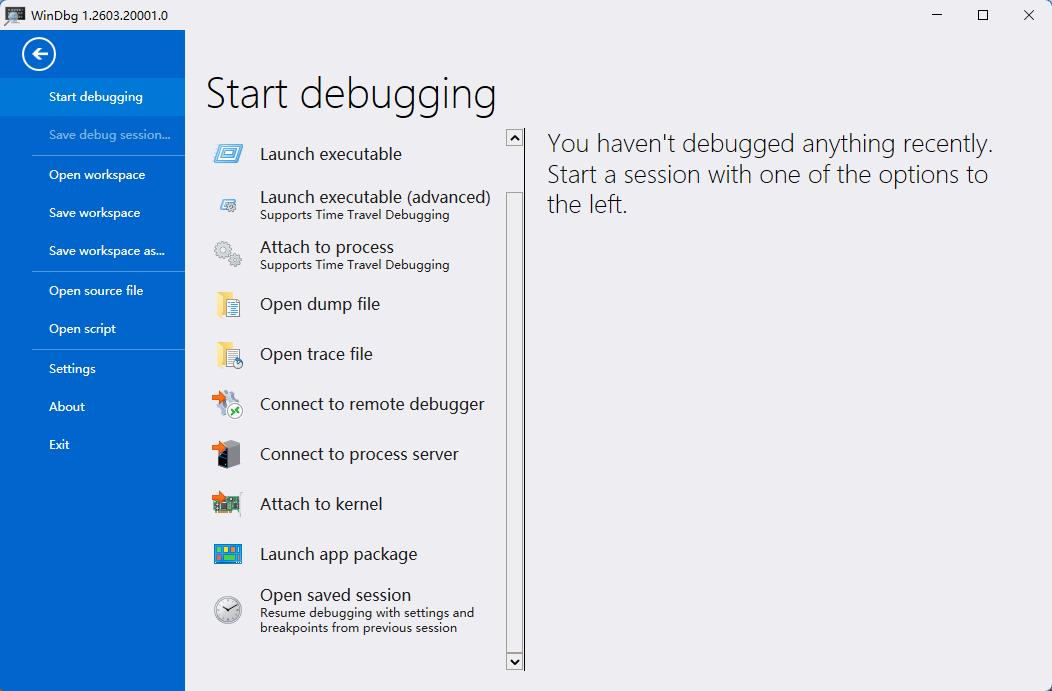
WinDbg is not only for kernel work. On the application side it is how you read a production dump when Visual Studio cannot attach, and how you turn threads, heaps, modules, and the exception into a chain of evidence. This guide covers when to open it, and how to get a stack you can trust.
-
Debug and Release Are Not the Same Program
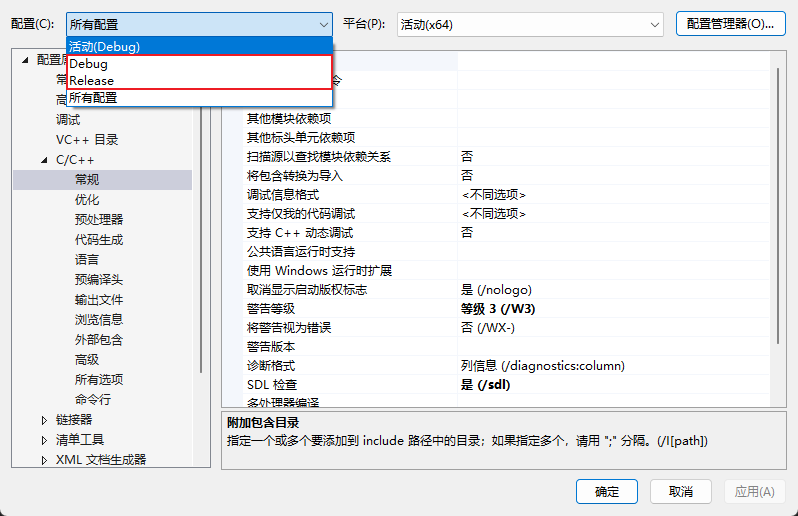
Debug and Release are two optimization targets, not one switch. Debug buys diagnosability: checks, symbols, and a program you can still read while it runs. Release buys speed and a shippable binary. If you treat a Debug session as a preview of production, the bugs that matter will not be there.
-
Why the Breakpoint Never Lands
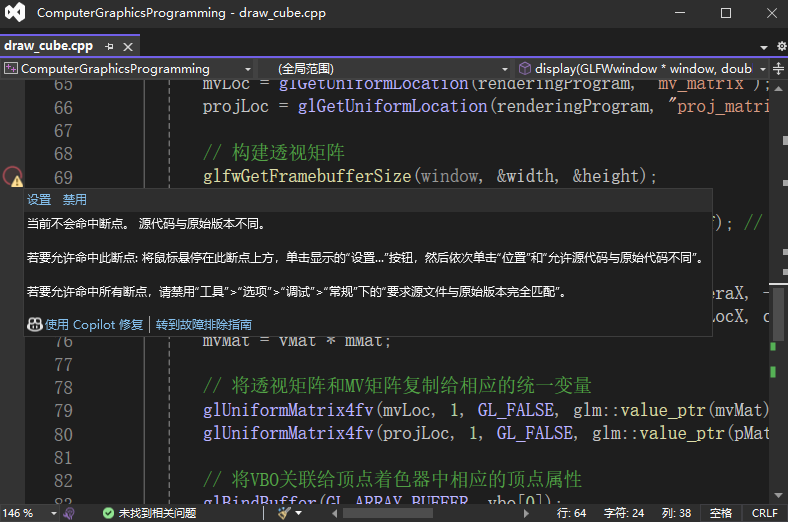
A breakpoint that will not stick is rarely an IDE glitch. In C and C++, a source line has to survive the build, the symbols, the loaded module, and the right process before it can bind. A hollow dot, a miss, and a stop on the wrong line are different breaks in that chain.
-

The Visual Studio Debugger Is More Than F5
Debugging is restoring explainability when a system stops behaving. The Visual Studio debugger earns its keep by making runtime facts visible: the call path, the state, the throw site, and whether you are looking at logic, concurrency, or performance. This is a selective guide to the tools worth mastering, and where people trip.